

Walking Through Darkness: Finding Light When the World Feels Heavy
A reflection on human limits, hygge, and the glimmers that guide us through uncertain times

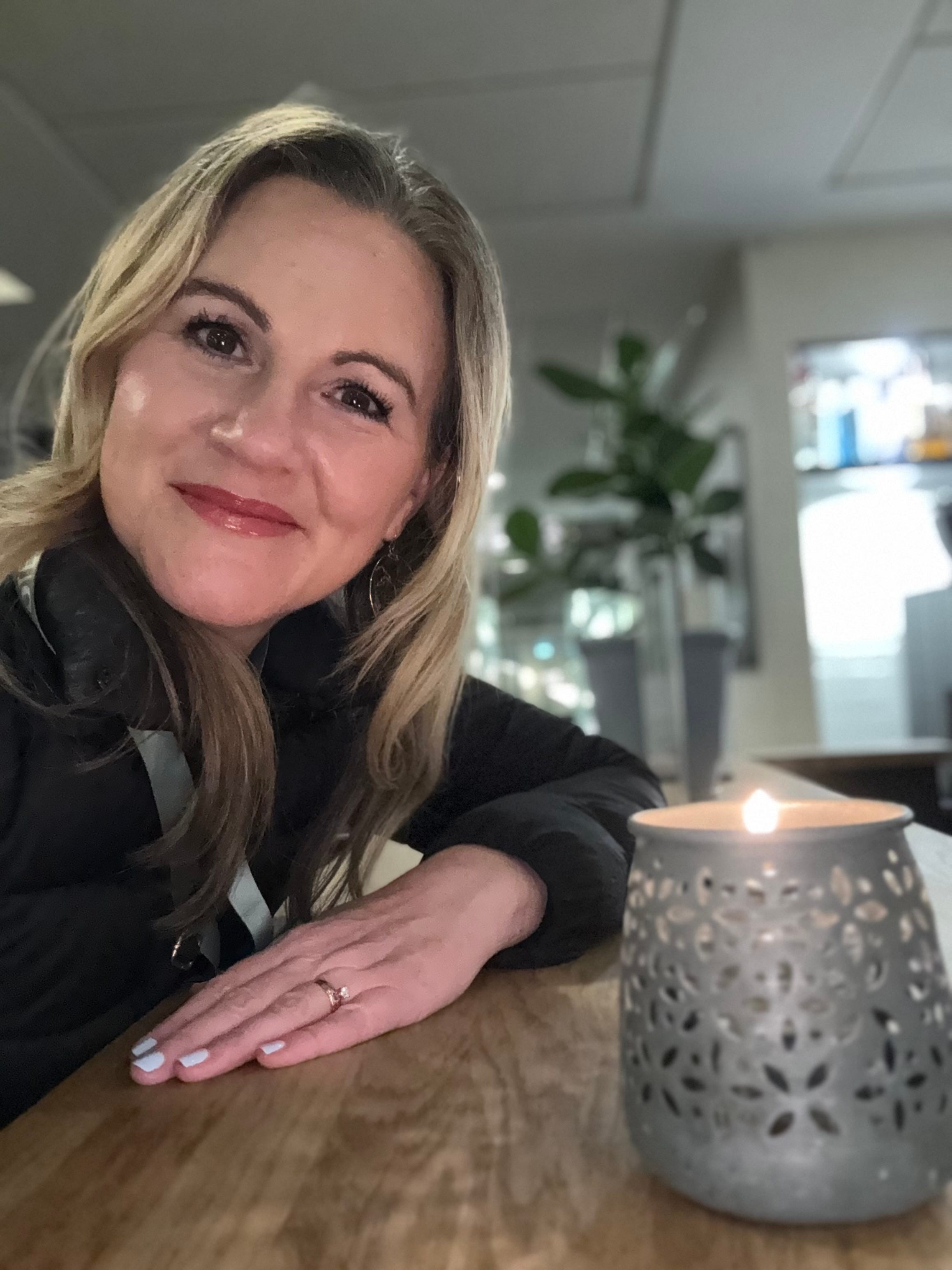
There’s a particular quality to November darkness in California that catches me off guard every year, especially after living on islands near the equator for most of my life where 12 hours of sunshine a day was the norm and our clocks never changed with any seasons, as we only had rainy and dry ones.
Here in Northern California, Daylight Saving Time ends, and suddenly the light disappears before I’m ready. The sun sets at 5 p.m., and I find myself disoriented, not just by the clock change, but by the weight of everything else pressing in.
This year feels heavier than most.
As I write this, I’m watching the news cycle churn through another day of policy whiplash. Brené Brown recently told Fortune that “people are not okay,”and she’s right. Workers are “emotionally dysregulated, distrustful, and disconnected,” she said, noting that unstable geopolitics, changing markets, and AI are wreaking havoc on our collective mental health.
Brown emphasized something that resonates deeply with me: “We are wired for certainty, and we’re wired to get to certainty as soon as possible. And the more uncertainty that we’re in, the more really hard feedback we get from our bodies.” (Read the full article here)
In other words, our nervous systems are screaming, and for many of us, there’s no end to the alarm in sight.
The Particular Darkness of Now
I spend my days advising CEOs, Presidents, Executive Directors and global leaders from Fortune 100s to NGOs on organizational effectiveness. I sit in boardrooms where leaders talk about “change management” and “workforce resilience” while privately admitting they’re burned out, their teams are burned out, and nobody knows what comes next.
I watch certain Silicon Valley companies and even corporate America-style megachurches squeeze every ounce of productivity from employees, then discard them when they’re used up. I see the same pattern in nonprofits, in government agencies, in organizations that claim to “care about people” while their actions say otherwise.
I watch as fascism creeps further into American institutions, not as a metaphor, but as a reality we’re living through. The guardrails we thought would hold are bending. The leaders we hoped would stand up are staying silent. The systems we trusted to protect democracy are showing their fragility.
It’s a lot, and pretending it isn’t doesn’t make it less true.
Last Year’s Election Night in the Redwoods
I remember exactly where I was when hope slipped away last November. I was in Mill Valley, in a mansion nestled in the redwoods, surrounded by my How Women Lead friends. Julie Castro Abrams was there, cooking a delicious dinner for us. We’d gathered to watch what we thought would be a historic night, the election of America’s first woman president.
Instead, we watched the darkness roll in like San Francisco fog over the Golden Gate Bridge. Heavy. Inevitable. Suffocating. There was wine, whiskey and weariness.
The next morning, I woke up knowing I needed something to get me through the winter ahead, not a distraction, not denial, but a practice, a way to walk through darkness without losing myself in it.
That’s when I fell into a hygge obsession.
Learning to Walk in the Dark
I first read Barbara Brown Taylor’s Learning to Walk in the Dark back in 2019 when I was living in Singapore. At the time, I was navigating my own season of uncertainty with questions about vocation, about where I belonged, about what came next.
Taylor’s book taught me something crucial: Darkness isn’t the absence of God, or meaning, or hope. It’s a different kind of presence.
She writes about learning to see in the dark, not with your eyes, but with your other senses. She writes about trusting that the ground will hold you even when you can’t see where you’re stepping. She invites us to be open to discovering that there’s wisdom in darkness that you can’t access in the light.
My own spiritual directors and mentors have shown me this truth again and again over the years. They’ve walked with me through job losses, through being ousted for asking a question as a woman in spaces where we are expected to capitulate, through grief, through seasons when I couldn’t see two feet in front of me.
My first spiritual director that walked with me through the aftermath of tsunami relief when I lived in Indonesia and saw so much death firsthand, and carried secondary trauma from translating for a trauma therapist with a specialty in trauma among children. I heard story after story from these little ones who lost everyone and everything they knew and loved. I heard my friend Nana and her husband Ayah describe their little baby girl being ripped from their arms, and I had no words. My friend Nana had no tears. I sat in such darkness with them and carried their pain in a way that wasn’t my own where I listened again and again to the horrors no parent should ever face. It was during my times with my spiritual director that she encouraged me to light a candle every morning in my daily meditation time to remind me of the presence of the Light. It was my reminder that in darkness, all it takes is one candle to bring light and warmth in the darkest and coldest of times.
My spiritual directors taught me something I’m learning again now:
There is a light within me that must shine, even in the darkest times.
Not a loud, performative light. Not a “look at me being resilient!” light, but the quiet, persistent glow of my humanity refusing to be extinguished.
Those glimmers are always there, even on the darkest and coldest nights. My candles are my reminders.
Hygge as Resistance
In March of this year, I went to Denmark. I needed to see if hygge, the Danish art of coziness, warmth, and presence, lived up to the hype.
It did.
I sat in candlelit cafes drinking coffee so good it felt like a sacrament. I walked through quaint neighborhoods where every window glowed with warm light against the cold darkness outside. I watched Danish people practice the art of being present with each other with no phones at the table, no rushing through conversation, just the simple act of being together. I noticed the smiles, the happiness, the hygge.
What struck me most wasn’t the aesthetics of hygge (though the candles and soft blankets certainly help). It was the philosophy underneath it: In a world that demands productivity and performance, hygge is the practice of being human.
It’s permission to slow down. To need rest. To find joy in small, quiet things. To acknowledge that winter is hard, and the appropriate response isn’t to push through. It’s to light a candle and sit with someone you love.
Since Denmark, I’ve woven hygge into my life in ways that feel less like a trend and more like survival:
Morning coffee on my patio, listening to birds, feeling the California sun on my face before the day’s demands begin
Tuesday night book club in my living room, where we sit around talking about ideas that matter sometimes over wine and baked goodies
Walks in nature, hiking the trails around the Bay Area, letting my nervous system remember it’s part of something larger than the news cycle
In-person gatherings with friends: coffees, lunches, dinners where we talk about real things, not just what we’re working on
Lighting candles at my desk, in the living room, next to the fireplace to remind me that light is always there, and glimmers are waiting for us to see them.
Last Tuesday, I got to meet Holly Berkley Fletcher in person for the first time. After having interviewed her for the podcast and reading every word of her incredible new book, I was excited to meet her near the airport to have lunch just after she flew in from Washington DC to San Francisco. We spent a couple of hours talking about our childhoods, mutual missionary kid connections, and the way the religion we grew up with was now in bed with politics in a way that we just can’t stomach. We laughed, rolled our eyes, and dined al fresco on fresh California cuisine and some French coffee and pastries on a sunny Bay Area day. It was warmth. It was light. It was the kind of thing that helps me see a way forward in uncharted waters. Holly’s way of bridging history with today’s reality gives me hope. She is using her voice and her pen to speak up after being raised in a religious environment that often trained us as girls to sit down and shut up.
Sometimes, a word of truth spoken from behind a curtain of lies brings clarity in a way that makes others want to stand up and leave the theater for the freedom of living in what is vibrant, real and true.
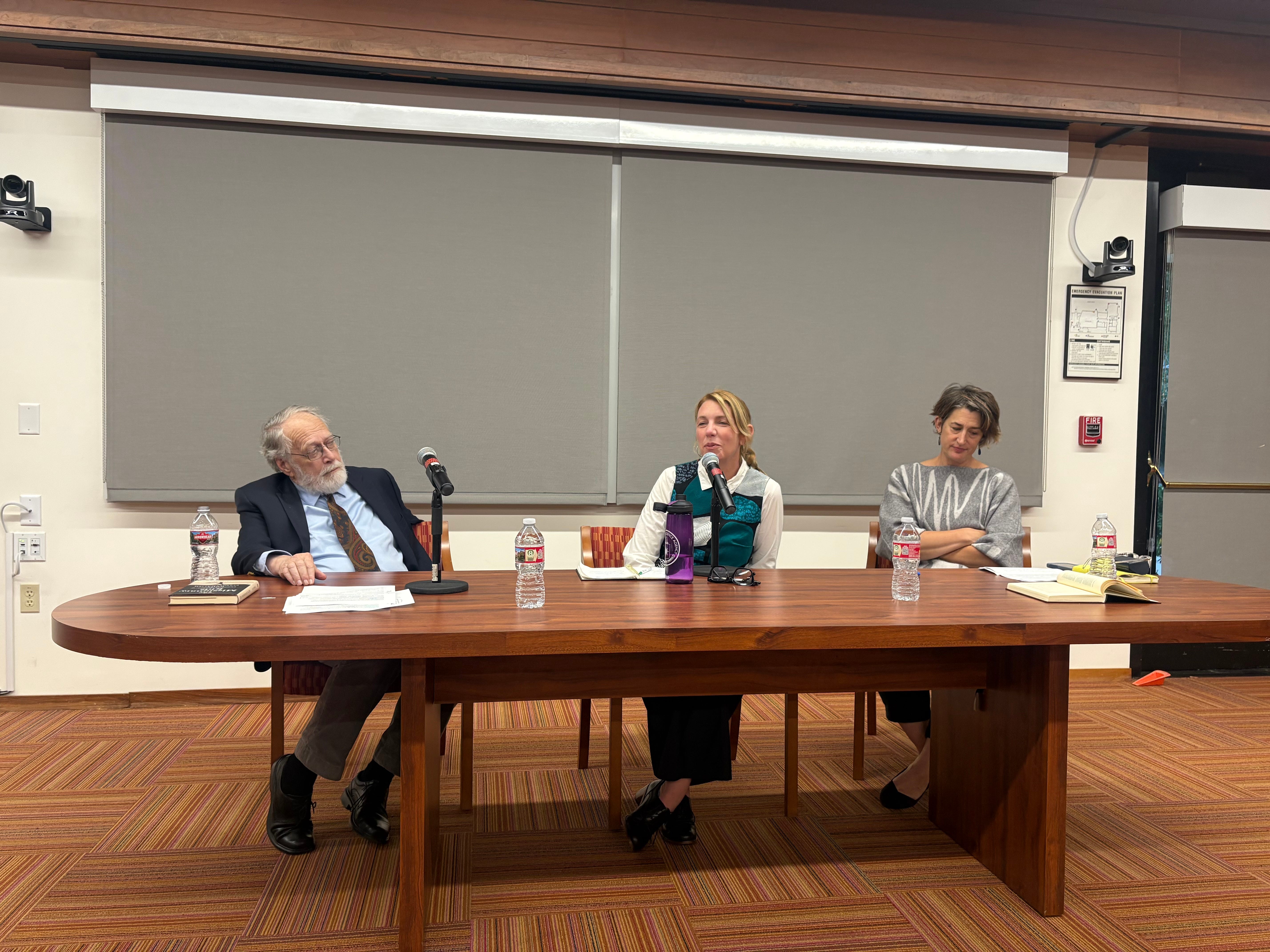
On Thursday, I went to Holly’s book launch event at Stanford. Her talk, along with Stanford history professor Dr. Joel Cabrita and UC Berkeley professor Dr. David A. Hollinger tickled my brain and ignited my soul in ways I hadn’t experienced in a long time. Hearing these two scholars interact with her book, after having read it and discussed it myself with other missionary kids and former missionaries, brought a whole new curiosity and intrigue around the history that she wrote about that intersects with my own story in such a personal way.
Afterward, we had dinner in Palo Alto with a group of brilliant scholars- Stanford history professors Dr. Joel Cabrita and Dr. James Campbell, sociology professor Dr. Katie Gaddini, UC Berkeley professor Dr. David A. Hollinger and others.
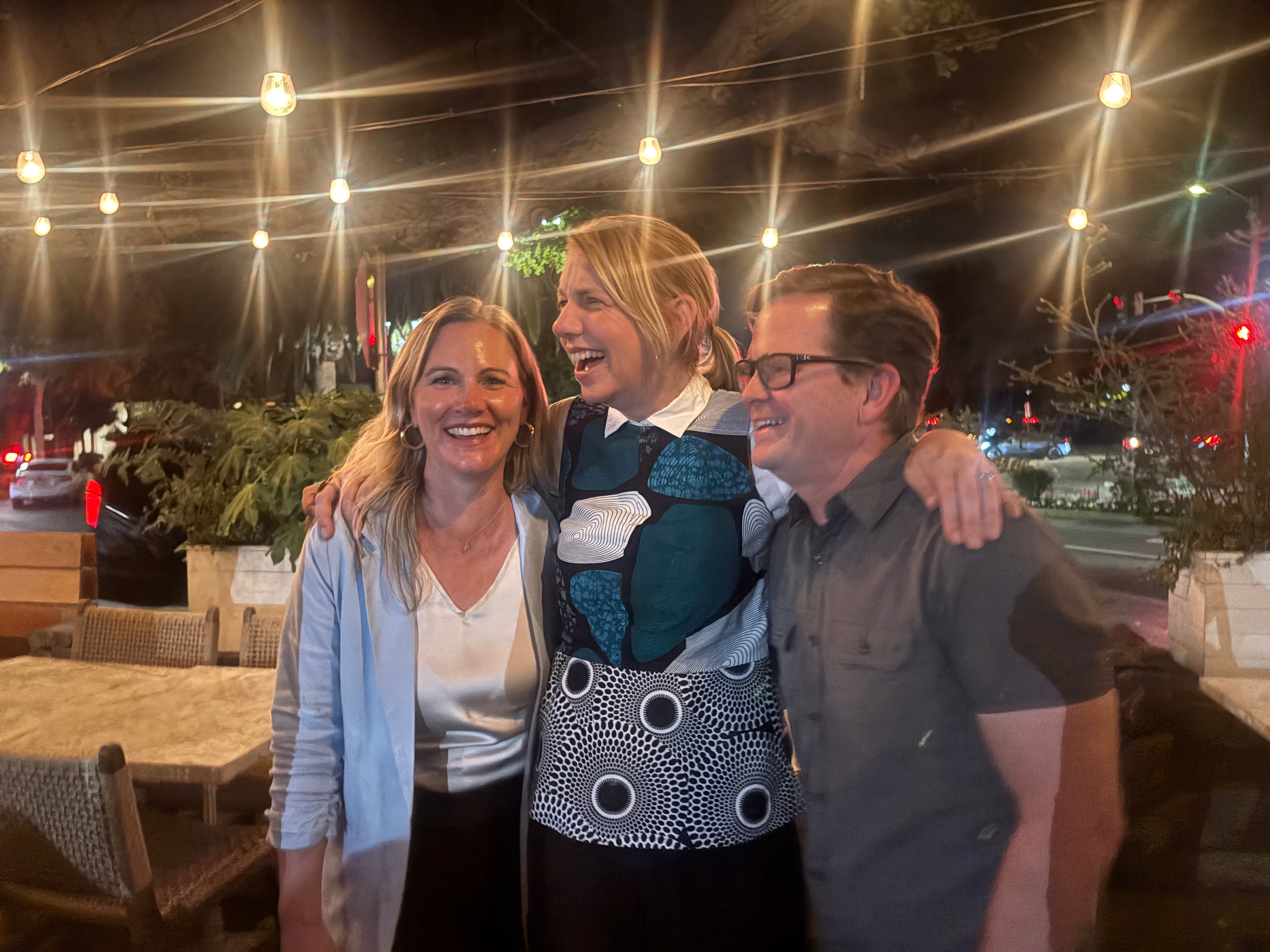
Over a vegan dinner we talked about history, about social movements, about how change actually happens. But we also just... talked…about our lives, our hopes, our fears, our beliefs, our religious upbringings. The conversation moved between intellectual rigor and soul-deep vulnerability in a way that felt both nourishing and rare. I left that talk with Holly on her new book The Missionary Kids: Unmasking the Myths of White Evangelicalism, and that dinner thinking that I will be meditating on this night for a long time because it was a Venn Diagram of that deep human connection where intellectual conversation, heartfelt vulnerability and soul-searching pondering together over dinner and wine activated a spark in a time when the world seems to be falling apart. (Check out my podcast interview with Dr. Holly Berkley Fletcher here.)
That’s what I’m learning hygge actually is: Creating spaces where humans can be fully human, even when the world is trying to reduce us to productivity metrics.
Recognizing Human Limits
Brené Brown’s warning about workers not being okay lands differently when you’re sitting in boardrooms watching it play out in real time.
She’s right that “we’re not wired” for the kind of changes we are experiencing right now. We’re certainly not wired for the pace of change we’re experiencing.
Here’s what I’m learning: Acknowledging my human limits isn’t weakness. It’s the only way I thrive with my humanity intact.
I can’t fix American democracy. I can’t single-handedly stop corporations nor megachurches from burning out or ousting their employees who question. I can’t control the news cycle, the market volatility, or the AI disruption that’s transforming work faster than anyone can adapt to.
But I can:
Take walks in my neighborhood and notice the light through the trees
Sit with friends around my dining table and remember what connection feels like
Light candles when the sun sets too early and create my own warmth
Say no to projects that would drain me beyond recovery (self-awareness and my Working Genius assessment tells me that Tenacity and Enablement burn me out)
Sleep enough, even when it feels “unproductive”
Let myself grieve when grief is the appropriate response
Keep showing up for the work that matters, but at a pace my nervous system can sustain
Brown noted that leaders need “deep, complex understanding of systems theory” to navigate this moment, understanding that “if you move one Lego piece an inch over here, you’ve got fallout over here.” (Once again, the full article is here.)
I think that’s true, however, I’ll also add this: We also need a deep, complex understanding of our own humanity. We need to know when we’re reaching our limits. We need to recognize when our bodies are giving us really hard feedback and actually listen to it. I was raised in a world that built my resilience, and often at the expense of my own inner voice, of trusting my gut, of listening to my body, of knowing how I feel.
If we burn out, we can’t lead. If we lose ourselves to the darkness, we can’t be the light others need.
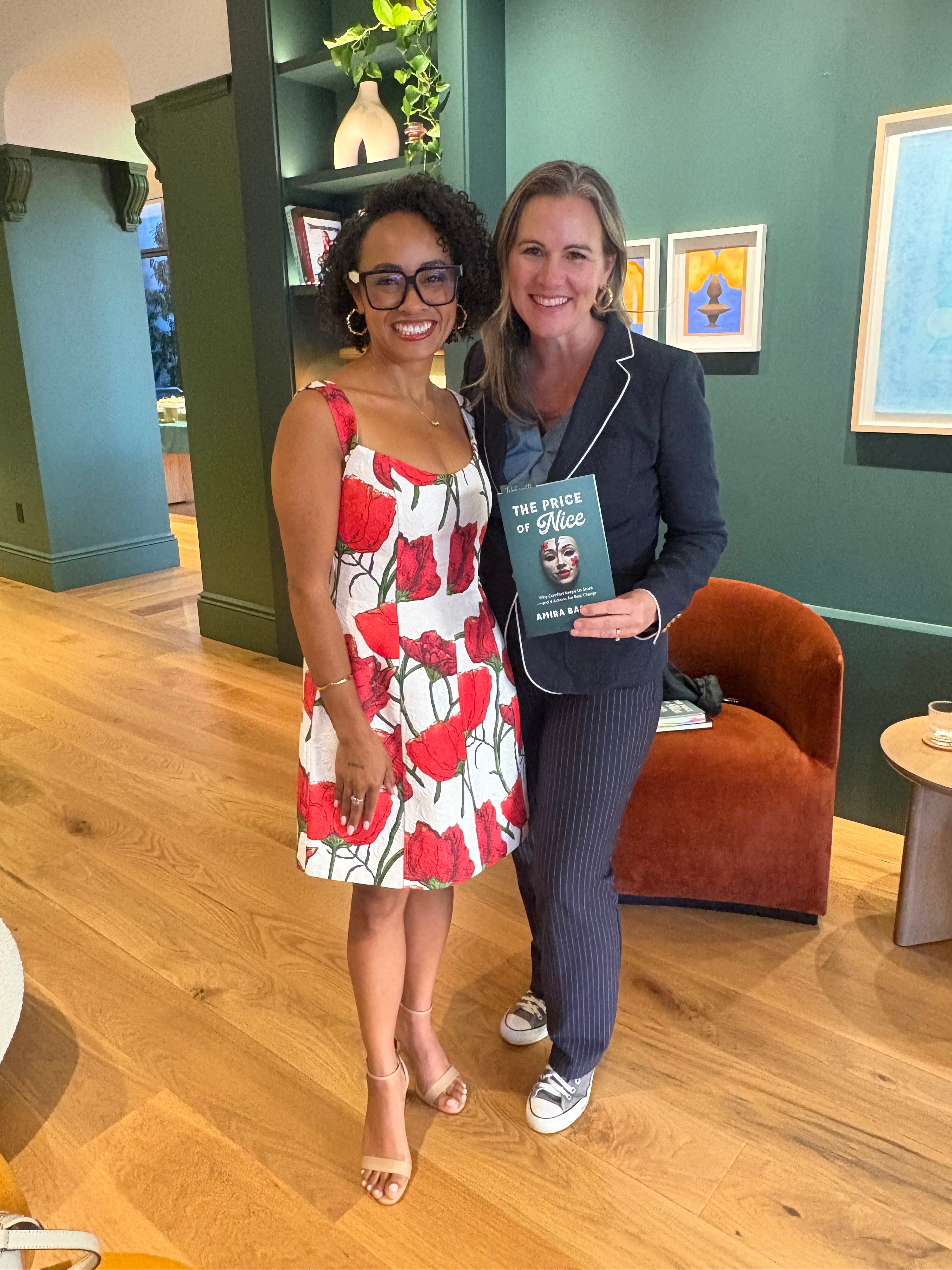
Light can be found in rooms of those who are shining theirs. I went to another book launch this past week in San Francisco. It was also with another author who has been on the podcast recently, Amira K.S. Barger. Her book The Price of Nice is a breath of fresh air in an era of capitulation. She not only shared some wild stories on the podcast about sitting in a congressional office while a culture of not speaking up had led to the loss of a lot of money, she also had some fun, sunny stories of growing up without shoes and swimming on the island of Guam. Check out the podcast episode with her here. It was a night full of warm connections meeting so many of Amira’s spectacular friends who are light bringers themselves. I drove home with such gratitude to have been around people who are making the world a better place. Fun fact: Amira’s parents were also missionaries. I went to two book launches in the same week, both by missionary kid authors, which made me feel belonging as a missionary kid myself. If you are a missionary kid yourself, you know how important belonging is.
Walking Through, Not Around
I won’t pretend I have this figured out. There are days when the darkness feels overwhelming. There are nights when the news makes me want to crawl into bed and hide. There are afternoons when I wonder if anything I do actually matters.
Then I remember: I’ve walked through darkness before, and I’ve learned that the only way out is through.
Not around it. Not over it. Not by pretending it isn’t dark.
Through it.
With candles lit. With friends beside me. With practices that remind my nervous system I’m still here, still human, still capable of joy even in hard seasons.
Barbara Brown Taylor writes that darkness teaches us things light never could. It teaches us to trust what we can’t see. It teaches us that we’re stronger than we think. It teaches us that the light within us doesn’t go out just because the world gets dark.
I’m learning that lesson again now.
(I highly recommend subscribing to Barbara Brown Taylor on Substack.)
What Helps Me Walk Through
If you’re also walking through darkness right now, and I suspect many of you are, here’s what’s helping me:
Nature. Daily walks. Sunshine on my face. Hummingbirds at my patio flowers. Reminders that the world is bigger than human chaos.
Connection. Real conversations with real people. Not networking. Not “catching up.” But actual presence with people I trust.
Rituals. Morning coffee on the patio. Tuesday night book club. Weekend hikes. Small rhythms that anchor me when everything else feels unstable.
Boundaries. Saying no to demands that would push me past sustainable. Protecting my rest like it’s sacred (because it is).
Creating warmth. Candles. Soft blankets. Music. The Danish practice of making spaces that feel like refuge. #hygge
Doing work that matters. I still show up to advise CEOs. I still sit on nonprofit boards. I still write. But I am learning (and often failing) do it at a pace that lets me stay whole.
Remembering the light within. On the hardest days, I remind myself: There is something in me that refuses to be extinguished. Some part of me that knows how to hope even when hope feels impossible.
That light is real. It’s in you too.
An Invitation
If you’re reading this and feeling the weight of these times, know this: You’re not alone. And you’re not broken for struggling.
Brené Brown is right, ”people are not okay.” The pace of change is unsustainable. The uncertainty is neurologically overwhelming. The darkness is real.
But so is the light within you.
So here’s what I’m practicing, and what I’m inviting you into:
Walk through the darkness, not around it.
Create warmth where you can.
Connect with people who see you.
Protect your humanity like it’s precious (because it is).
Remember that you’ve survived dark seasons before.
Trust that you’ll find your way through this one too.
The glimmers are there. Even on the darkest nights. Even now.
We just have to learn how to see them.
What practices are helping you walk through darkness right now? I’d love to hear from you in the comments. Let’s learn from each other how to keep our lights burning, even when the world feels heavy.
🌏 Join the Conversation & Stay Connected! 🌍
If this resonated with you, I’d love for you to subscribe to my Substack so you never miss a post. Together, we’re building a community that challenges the status quo, embraces different perspectives, and makes a real impact in our workplaces and beyond.
🎧 Listen & share A World of Difference podcast for more conversations that matter.
💬 Join the discussion. Drop a comment, share your thoughts, and pass this along to someone who needs it!
Let’s keep making a difference…together. 🌎
This newsletter reflects the personal views and independent thought leadership of Lori Adams-Brown. The content shared here does not represent the views of any company or any board or advisory organization with which Lori is affiliated. All content is provided for informational and educational purposes only and is not endorsed by any employer or client organization.